
Maintaining muscle while taking a GLP-1 comes down to eating enough protein, using your muscles regularly, and watching how your body responds as weight changes. A medically supervised GLP-1 weight loss program can help you lose fat without treating the number on the scale as the only measure of progress.
In Boise and Caldwell, ID, Treasure Valley Aesthetics & Wellness is led by Brenna Butler, DNP, FNP-C, a board-certified family nurse practitioner and certified hormone specialist with more than 14 years in health care. Her work centers on listening, education, and finding hormonal or metabolic factors that may be affecting your health, rather than reducing every concern to willpower.
Why Muscle Loss Can Happen During Weight Loss
Weight loss doesn’t come only from body fat. When you consistently eat fewer calories than your body uses, some of the weight lost may come from lean tissue. The risk can increase when protein intake is too low, weight drops quickly, or your muscles aren’t being challenged through resistance exercise.
Muscle loss isn’t unique to GLP-1 treatment and can occur with any meaningful weight reduction. Because GLP-1 medications can reduce appetite and increase fullness, some people may have difficulty eating enough protein and other nutrients.
The goal isn’t to force large meals. It’s to make the food you can comfortably eat count while giving your muscles a reason to stay strong.
How to Protect Your Muscle Mass on a GLP-1
These habits can help you support strength as your weight changes:
Prioritize Protein
Include a protein source each time you eat, such as:
- Eggs, Greek yogurt, or cottage cheese
- Chicken, turkey, fish, or lean meat
- Beans, lentils, tofu, or edamame
- A protein shake when solid food feels difficult
Your protein needs depend on your body size, activity level, health history, and rate of weight loss. A medical provider can help you choose realistic nutrition goals.
Add Strength Training
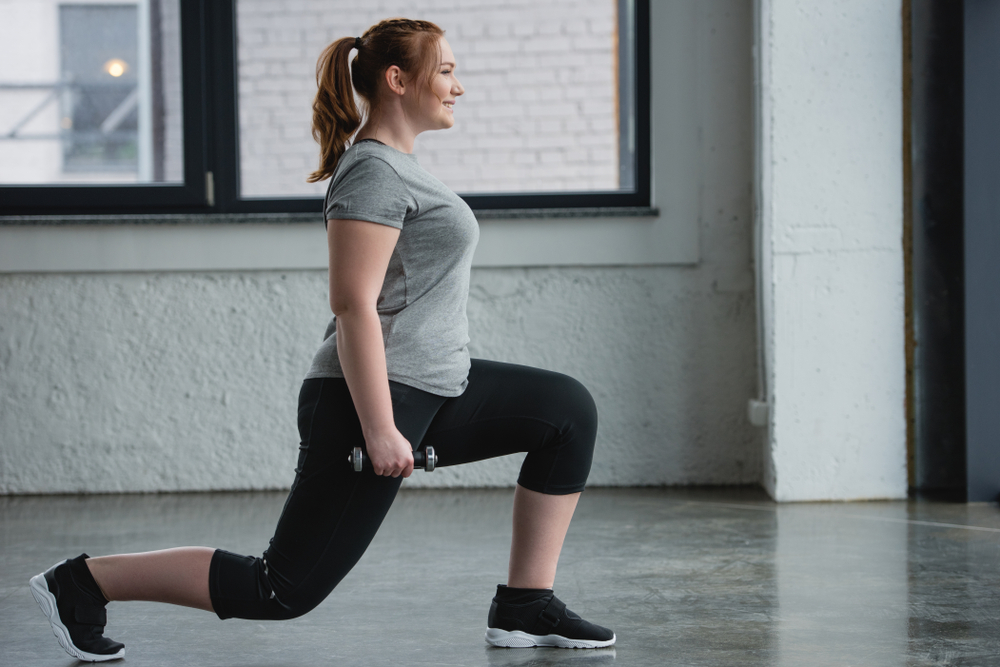
Walking supports heart health, but resistance exercise helps preserve muscle. Weights, bands, machines, and bodyweight movements can all be useful.
Start at a level that fits your ability. Many adults benefit from muscle-strengthening activity at least two days per week, with adjustments for injuries, chronic conditions, and experience.
Track More Than the Scale
Pay attention to changes in strength, energy, mobility, and nutrition. Let us know when nausea, vomiting, early fullness, or low appetite makes it difficult to eat or stay hydrated. Your medication or nutrition plan may need to be adjusted.
Protect Your Strength During Medical Weight Loss in Boise and Caldwell, ID
Healthy weight loss should support how you function, not just how quickly the scale moves.
For guidance from the Treasure Valley Aesthetics & Wellness team, schedule a consultation in Boise or Caldwell, ID, or call 208-580-7703.